


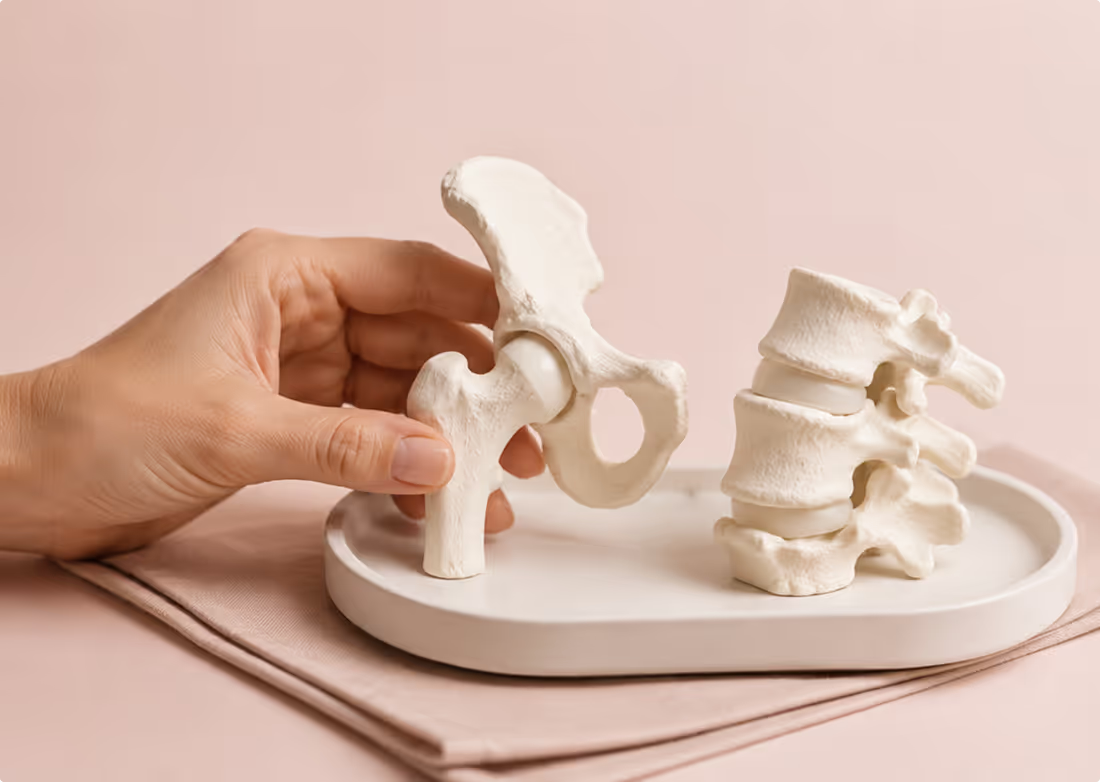
Osteoporosis / Calcium Disorders
Stronger Bones, Better Long-Term Health
Bone health is an important part of endocrine care because bones are living tissue that respond to hormones, nutrition, activity, medications, age, and medical conditions. Osteoporosis is a condition in which bones become weaker and more likely to fracture. Calcium disorders can also affect bones, muscles, nerves, kidneys, and overall health. Because bone loss often develops silently, many patients do not know they have a problem until a bone density test shows low bone mass or a fracture occurs from a fall or minor injury.
At The Endocrinology Group, our clinicians evaluate and manage osteoporosis, low bone density, calcium abnormalities, vitamin D concerns, and related endocrine conditions.
The goal is to help patients understand their fracture risk, identify possible causes of bone loss or calcium imbalance, and create a care plan that supports long-term skeletal health.
Osteoporosis can affect both women and men, although it becomes more common with age and is especially common after menopause. Risk factors may include family history, prior fracture, low body weight, smoking, heavy alcohol use, certain medications, inflammatory conditions, early menopause, low calcium or vitamin D intake, kidney disease, thyroid hormone imbalance, parathyroid disease, and conditions that affect nutrient absorption. Some patients are referred after a bone density scan, while others come after a fracture, abnormal calcium result, or concern about medication options.
A bone health visit usually includes a careful review of your medical history, fracture history, family history, diet, supplements, physical activity, fall risk, medications, and prior imaging. Your clinician may review a bone density test, also called a DXA scan, and may order blood or urine testing to look for contributors to bone loss. These tests may evaluate calcium, vitamin D, kidney function, thyroid function, parathyroid hormone, and other factors depending on your situation.
Calcium balance is closely connected to bone health. Calcium is stored largely in the bones, but it also supports muscle function, nerve signaling, blood clotting, and hormone secretion. The body carefully regulates calcium levels through the intestines, kidneys, bones, vitamin D, and parathyroid hormone. When calcium is too high or too low, it may point to an underlying issue that deserves evaluation. Some patients have no symptoms, while others may experience fatigue, kidney stones, muscle cramps, bone pain, weakness, constipation, or changes in mood or concentration.
One common endocrine cause of high calcium is primary hyperparathyroidism, a condition in which one or more parathyroid glands make too much parathyroid hormone. This can raise blood calcium levels and contribute to bone loss, kidney stones, or other symptoms. Evaluation may include lab testing, urine testing, bone density review, and sometimes imaging if surgery is being considered. Not every patient with a calcium disorder needs the same treatment, which is why individualized evaluation matters.
Treatment for osteoporosis may include nutrition guidance, calcium and vitamin D planning, weight-bearing and resistance activity recommendations, fall prevention, and medication when appropriate. There are several categories of osteoporosis medications, and the best choice depends on fracture risk, age, kidney function, prior treatment, side effect considerations, and patient preference. Some medications are used to slow bone breakdown, while others may help build bone in selected patients.
Ongoing monitoring is also important. Bone health is not usually addressed in a single visit. Patients may need periodic lab testing, repeat bone density testing, medication monitoring, and discussion of new fractures or changes in health status. If calcium or parathyroid issues are involved, follow-up may help determine whether the condition is stable or whether additional testing or referral is needed.
Our clinicians aim to make bone and calcium care understandable. Many patients are unsure whether they should take supplements, what their bone density results mean, or whether medication is necessary. We help patients interpret their results in context, understand their risk, and make informed decisions about next steps.
A strong bone health plan also looks beyond medication alone. Patients may need guidance on how much calcium they should get from food and supplements, whether vitamin D replacement is appropriate, which activities support bone strength, and how to reduce the chance of falls. For some patients, balance concerns, vision changes, footwear, home safety, and muscle strength can be just as important as the bone density number itself. These details help connect endocrine care to the real-world goal of fracture prevention.
Patients who have already experienced a fracture may need a more detailed evaluation. A fracture from a standing-height fall or minor injury can be a sign that bones are weaker than expected, even if the patient previously felt healthy. In these cases, clinicians may review whether the fracture pattern suggests osteoporosis, whether additional lab testing is needed, and whether treatment should be started or changed. Patients who have been on osteoporosis medication for several years may also need guidance about duration of therapy, monitoring, and whether a medication pause or switch should be considered.
For calcium disorders, follow-up helps determine whether an abnormal result was temporary or part of an ongoing condition. Repeat testing, medication review, kidney stone history, and parathyroid evaluation may all help clarify the diagnosis.
If you have osteoporosis, low bone density, a history of fracture, high or low calcium levels, vitamin D concerns, or possible parathyroid disease, The Endocrinology Group provides bone and calcium disorder care in Falls Church and Arlington, VA.
Osteoporosis is a condition in which bones become weaker and more likely to fracture. It often develops without symptoms until a fracture occurs or a bone density test identifies low bone mass.
Endocrinologists evaluate hormonal, metabolic, medication-related, and nutritional factors that can contribute to bone loss and fracture risk.
Calcium disorders occur when calcium levels in the blood are too high or too low. They may involve vitamin D, kidney function, parathyroid hormone, medications, or other medical conditions.
Not always. Treatment depends on bone density results, fracture history, risk factors, age, lab findings, and individual goals.
Same-week appointments available. All providers currently accepting new patients.


- Insurance card & photo ID
- Current medication list with doses
- Recent A1C and lab results
- CGM or pump data if applicable
- List of current concerns or questions

We accept most major insurance plans. Contact our office to verify your specific coverage before your visit.
Other services we offer

Obesity Management
A multifaceted, long-term approach that goes beyond diet and exercise, integrating behavioral counseling, lifestyle changes, and, when necessary, pharmacotherapy (e.g., GLP-1 agonists) or metabolic surgery.
Pituitary & Adrenal
Evaluation and management of adrenal insufficiency, Cushing's syndrome, pituitary tumors, and related conditions.
Thyroid Disorders
Diagnosis and management of hypothyroidism, hyperthyroidism, thyroid nodules, and thyroid cancer.